 Skip to content
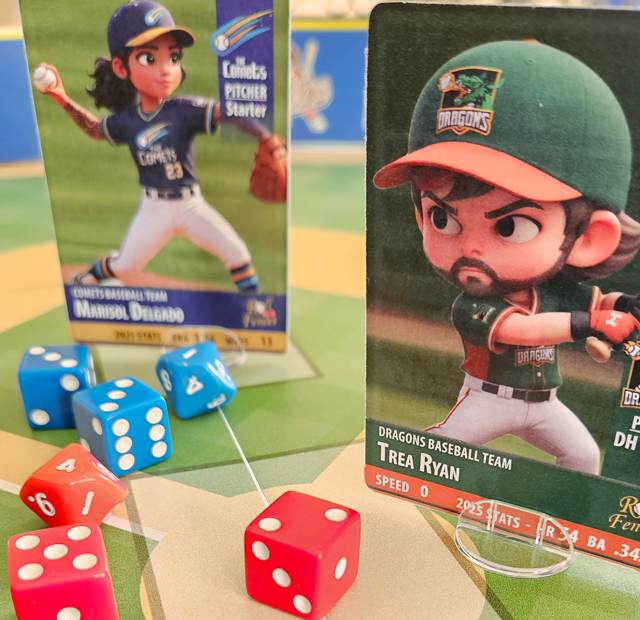
Some games ask for your attention. A baseball dice game earns it the second the count gets tense, the bases are loaded, and one roll can flip the whole table from groans to cheers.
That’s the magic of the format. It takes the emotional heartbeat of baseball – momentum swings, risky decisions, improbable comebacks, late-inning pressure – and packs it into a fast, tactile experience you can play on the kitchen table. For families, it’s approachable. For strategy-minded players, it has real bite. And for baseball fans, it captures something many sports games miss: the feeling that every pitch matters.
What makes a baseball dice game work
At its best, a baseball dice game is not just random outcomes with a sports theme pasted on top. The strong ones understand that baseball has always been a conversation between probability and nerve. The batter is playing percentages. The manager is weighing matchups. The pitcher is trying to control damage, not erase uncertainty.
Dice are a natural fit for that tension. A roll creates suspense in a way that feels immediate and honest. But the real design challenge is what happens around the roll. Do players have meaningful choices before the result? Can they shape risk, push for big innings, or play conservatively to protect a lead? If the answer is yes, then the game starts to feel less like a novelty and more like a true head-to-head contest.
That trade-off matters. Too much randomness and players feel like passengers. Too much simulation detail and the game slows to a crawl, especially with mixed-age groups. The sweet spot is where the rules are easy to teach but the decisions stay interesting long after the first game.
The appeal is bigger than nostalgia
A lot of people hear “dice baseball” and picture an old-school pastime, something charming but limited. The reality is more interesting. A modern baseball dice game can deliver the same replayable fun while adding stronger roster choices, cleaner pacing, and a sharper sense of identity from one team or matchup to the next.
That broader appeal is part of why the category has staying power. Parents like games they can explain without a rulebook lecture. Hobby players want enough depth to feel clever. Baseball fans want a game that respects the sport’s rhythms instead of flattening it into generic scoring. A well-designed title can meet all three expectations at once.
It also helps that baseball itself is built for tabletop drama. Every inning creates mini-stories. A leadoff walk feels different from a two-out single. A sacrifice decision can be smart or frustrating depending on score and timing. Even when the rules are simple, the situations feel rich because baseball naturally generates tension.
Baseball dice game design lives or dies on decisions
This is where the best games separate themselves.
If every at-bat is just roll, read, repeat, the excitement wears off. The stronger approach gives players ways to influence how they chase runs. That can mean lineup construction, player abilities, timing-based choices, momentum systems, or calculated gambles that raise the stakes in key moments.
Roster management is a great example. It gives players ownership before the first roll even happens. You are not just hoping for good luck. You are building toward a style of play. Maybe you want power and accept more volatility. Maybe you prefer consistency and pressure on the bases. Those choices make later rolls feel earned, even when the game swings unexpectedly.
Momentum is another ingredient that matters more than it first appears. Baseball is a sport of runs, cold streaks, and confidence shifts. A tabletop version should reflect that emotional texture without becoming chaotic. When a game gets momentum right, a rally feels alive. When it overdoes it, a small edge can snowball too hard. That balance is delicate, but when it lands, it creates the kind of table talk people remember.
Why families keep coming back to it
There is a reason sports-inspired games can become regular game-night picks. They create built-in investment. Even players who do not follow baseball closely understand the basic stakes. Get runners on. Bring them home. Protect the lead. Survive the inning.
That shared language makes a baseball dice game unusually welcoming. A parent can play with a sports-loving kid. Two siblings can turn a close game into a full-on pennant race. Friends who usually avoid heavy strategy titles can still find themselves debating whether to play aggressively in the late innings.
The format also tends to produce memorable moments fast. That matters in family gaming, where attention is precious and replay value is everything. People may not remember every rule from a long Eurogame, but they will remember the ninth-inning roll that cleared the bases or the clutch defensive stop that saved the game.
The best part is that those moments do not require pages of complexity. They come from clean systems doing their job well. That is Taking Family-Fun Seriously – making a game easy to enter without sanding off the strategy that keeps it interesting.
A smarter baseball dice game feels like baseball
Not every sports game needs deep stats to feel authentic, but baseball benefits from thoughtful probability. The sport itself is built on chances, tendencies, and situational edges. When a tabletop game uses those ideas well, it feels smarter without feeling harder.
That might show up in how different players produce different result ranges, how risk changes with game state, or how a manager-style decision can improve your odds while still leaving room for drama. The key is that the numbers should amplify emotion, not smother it.
That is one reason digital enhancements can fit so naturally here. Used well, they do not replace the tabletop experience. They heighten it. Scoreboard tracking, crowd-style audio, and celebratory touches can turn a close matchup into more of a ballpark experience in a box. The physical dice still create the action. The tech simply gives the moment a little more stadium electricity.
There is a line, though. If digital support becomes mandatory or distracting, some players will bounce off. Families often want flexibility. Hobby players usually want the tabletop core to stand on its own. The best designs treat digital tools like seasoning, not the meal.
What to look for in a baseball dice game
If you are choosing one for your table, start with pacing. Baseball has natural pauses, but a game should still move. You want tension, not drag. Long downtime between decisions can flatten even a smart design.
Then look at how it handles agency. Ask whether players make meaningful choices each inning or simply react to the dice. Some groups are happy with a lighter, luck-forward experience. Others will want lineup planning, tactical timing, and room to outplay an opponent over several innings. Neither approach is wrong. It depends on whether your table wants a quick laugh or a real rivalry.
Replayability matters too. Team variety, shifting strategies, and different game scripts all help. A baseball game should not feel solved after two plays. The beauty of the sport is that the same setup can produce a completely different story the next time.
And if your group spans ages or skill levels, clarity matters more than people admit. Clean iconography, intuitive turns, and a satisfying rhythm are not small features. They are what allow a game to come off the shelf again instead of collecting dust.
That is why games like Roll for the Fences stand out in this space. They understand that a baseball dice game should do more than simulate stat lines. It should stage drama. It should reward smart choices, welcome new players, and make every inning feel like something could happen.
The real reason this format lasts
Baseball is already a storytelling machine. A dice game just gives those stories a new stage.
You get the underdog rally. The managerial gamble. The empty feeling of stranding runners and the instant redemption of a big swing one turn later. Few tabletop formats can create that much emotional range with such simple tools. That is why this category keeps earning its place at family tables and among hobby players who want strategy without homework.
If you want a game night that feels competitive, accessible, and just a little cinematic, a baseball dice game is still one of the smartest picks on the shelf. The right one does not just recreate baseball. It recreates the heartbeat that makes people love it in the first place.
Leave a Reply